
Reviewed · PUERTO VALLARTA
Sea Turtle Release – A Puerto Vallarta Conservation Adventure
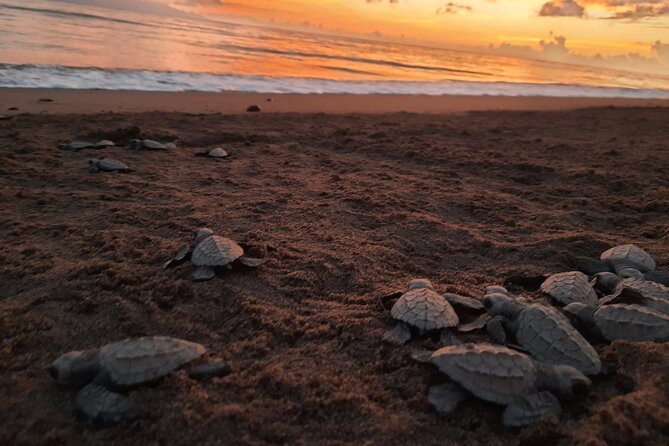
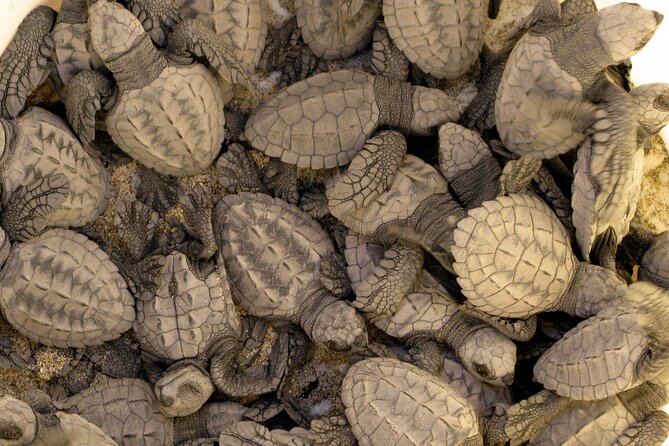
Newborn sea turtles are the stars here. At sunset, you carry or receive a tiny hatchling, give it a name if you like, and watch it crawl toward the surf under the guidance of a biologist. The release feels personal without turning the turtles into a petting-zoo show. You are helping with a real conservation effort.
I like the clear science talk before the beach walk, and I like that your booking supports nest monitoring and hatchling care. Guides including Michael, Maggie, and Francis have a reputation for patient explanations and warm help with children. The main caution is the walk: allow up to a mile on sand, loose gravel, and uneven beach, with part of the return in darkness.
Key points to know before booking
- The release happens at sunset: Timing protects the hatchlings from predators and gives you a beautiful coastal setting.
- The education comes first: A bilingual biologist explains turtle biology, nesting, hatchling care, and human impact before you reach the beach.
- The walk is the real physical test: Expect a short van ride, then roughly 10 to 20 minutes each way on sand and loose gravel.
- The experience is hands-on but controlled: You help send the turtles toward the ocean, following instructions from the conservation team.
- The tour supports local protection work: Your visit connects directly with nest monitoring and hatchling care.
- Bad weather or no hatchlings can change the plan: The operator may reschedule or offer a refund if conditions or turtle numbers prevent the release.
Why this sunset release feels different
Puerto Vallarta offers plenty of boat trips, food tours, and beach outings. This experience gives you something less polished and more meaningful: a close look at the work that takes place before a sea turtle ever reaches open water.
The central moment is simple. Newly hatched turtles are placed on the beach at the right time of day, and you watch them move toward the sea. They do not need cheering, posing, or handling for long. Their natural urge to reach the water provides the drama.
That restraint matters. The tour is not built around a staged animal performance. It is built around a conservation task, with visitors allowed to take part under supervision. You may name your turtle, but you do not keep it, feed it, or treat it like a souvenir.
The setting adds plenty. The release takes place around sunset, when the light softens and the beach becomes cooler. The timing also has a purpose, since young turtles face many dangers in daylight. You get a beautiful view, but the conservation reason comes first.
More turtle release evenings in Puerto Vallarta:
- Release of Sea Turtles in Camp Tortuguero
★ 5.0 · 124 reviews - Puerto Vallarta: Baby Turtle Release in Conservation Area
★ 4.8 · 110 reviews - Puerto Vallarta: Sea turtle release at Sunset
★ 5.0 · 15 reviews
Starting at Marina Vallarta
Your afternoon begins at the Ecotours Vallarta and Dive ShopProa office at 20, Marina Vallarta, Puerto Vallarta, Jalisco. Check-in is scheduled for 4:50 p.m., with the main introduction beginning at 5 p.m.
This is a useful start point because the first part of the experience is indoors or near the office, with access to a restroom before departure. You receive bottled water and small snacks, including a granola bar, juice, and sodas.
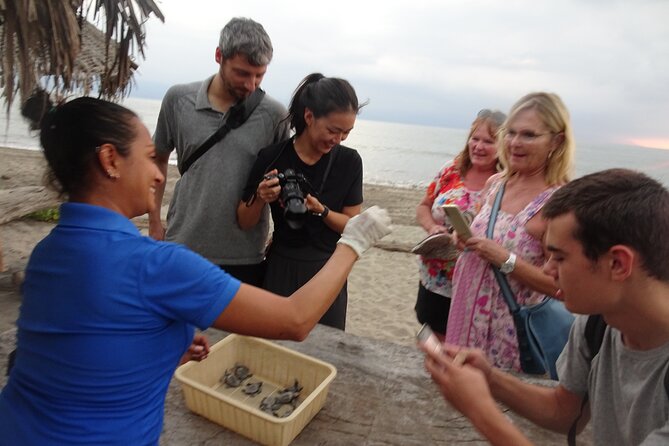
The opening talk gives the rest of the evening some purpose. Instead of simply arriving at a beach and being handed turtles, you learn about the animals and the work behind the release. The discussion covers sea turtle biology and conservation, while the guide explains how people protect nests and care for hatchlings.
Guides such as Michael have been praised for explaining complicated subjects in an easy way and answering questions from both adults and children. Maggie and Francis have also led groups, so the exact guide may vary. The important point is that a bilingual biologist or conservation guide leads the activity rather than a general sightseeing host.
You may see photographs as part of the presentation. The material is educational, but one portion can include pictures of turtles mating. They are not described as graphic, though parents may want to know this before bringing young children.
The van ride and coastal walk
Around 5:45 p.m., you leave by air-conditioned vehicle. The drive to the beach is short, about 15 minutes according to the practical experience of the outing, though road conditions can make the ride bumpy at times.
The vehicle keeps the transfer easy, particularly in the late afternoon heat. Bottled water and snacks are included, but mosquito repellent is not. Bring your own. The warning is important because the route may pass coastal and mangrove areas where insects can be bothersome.
After the drive, you walk along the beach toward the turtle camp. The stated walk is about 10 minutes and less than half a mile each way, while actual conditions can make the full walking requirement closer to one mile. Sand, loose gravel, rocks, and uneven ground are part of the route.
In daylight, the walk gives your guide a chance to point out the local coast, mangroves, birds, and nearby water. One outing even included crocodiles in a nearby reservoir, though wildlife sightings are not guaranteed. Treat that as a bonus, not part of the promise.
The return walk deserves special attention. The release happens at sunset, so you may make part of the trip back in low light or darkness. People who manage normal walking on uneven ground should prepare with sturdy footwear and a steady pace. Anyone with limited mobility should take the warning seriously, since the route includes sand and loose gravel rather than a flat paved path.
At the sea turtle camp
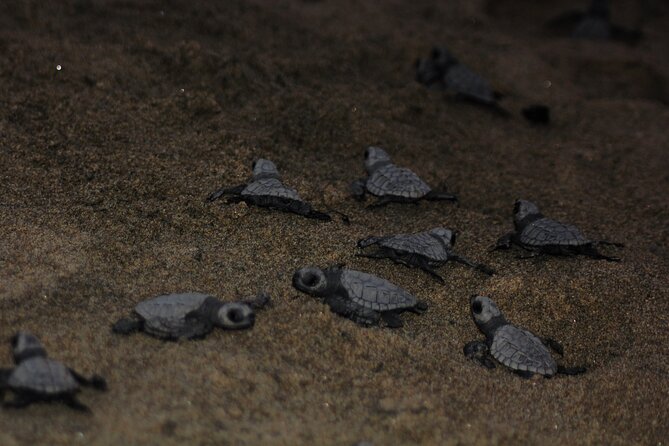
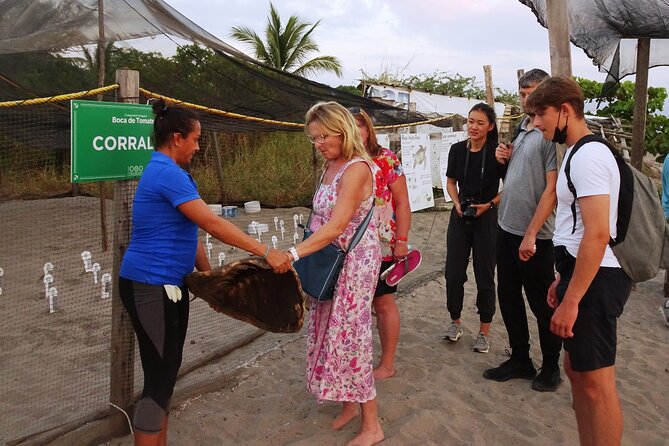
The camp is where the conservation work becomes easier to understand. You are introduced to the team and shown how they protect nests and care for hatchlings before release.
This is the part that gives the evening more weight. The turtles are not simply collected for a photo opportunity. Their release fits into a wider effort that includes monitoring nests and helping young turtles reach the sea at a safer time.
The camp setting may be basic. That is part of its character. You are visiting a working conservation site, not a fully built visitor center with polished exhibits and permanent facilities. The tradeoff is clear: fewer comforts, but a more direct connection to the work.
The guides explain how the hatchlings fit into the coastal environment and how human actions affect their chances. That context makes the short release more than a cute encounter with baby animals. It also helps children understand why people should not disturb nests, handle wild animals casually, or leave rubbish on beaches.
Group size is limited to a maximum of 24 people. That is large enough to create a lively group but small enough for a guide to give instructions and answer questions. The exact feel depends on the day, yet the limit should prevent the experience from becoming an enormous crowd around the hatchlings.
Same bay, a completely different kind of day:
- Puerto Vallarta Best Zipline Canopy + Tequila and Speed Boat Ride
★ 5.0 · 3,786 reviews - Winner 2025 Downtown Vallarta Food Tour with Vallarta Food Tours
★ 5.0 · 3,738 reviews - Extreme Adventure, Wildest Bridge, ATV & Ziplines
★ 5.0 · 3,179 reviews - Mega Yacht ALL INCLUSIVE Yelapa Waterfall & Snorkeling Adventure
★ 5.0 · 2,515 reviews
The turtle release at sunset
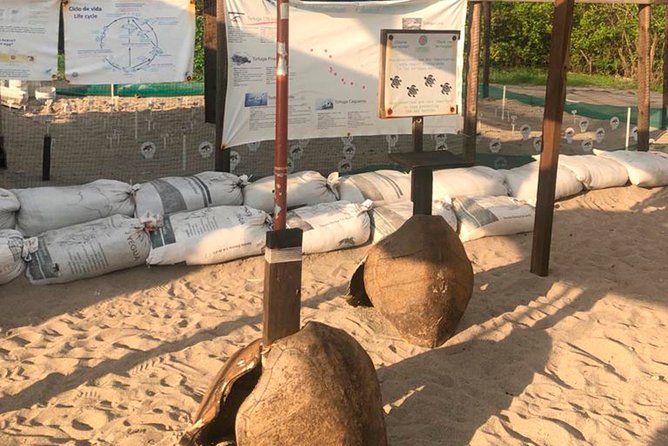
The release is the emotional center of the evening. A biologist brings the hatchlings to the beach, explains what to do, and helps the group place them in a suitable position.
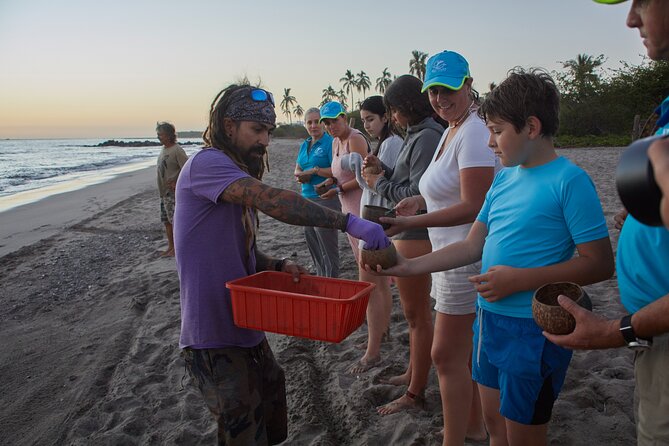
You may name a turtle before it begins its short trip to the water. Families often enjoy this small ritual, especially children who want to give their hatchling a name and imagine where it might go. The naming adds a bit of fun, but the key point is that the turtle remains a wild animal.
Children under seven need adult help carrying a coconut to the sand, where they release the hatchlings into the ocean. This detail matters for families. Young children can take part, but adults should expect to do the carrying and guide them through the process.
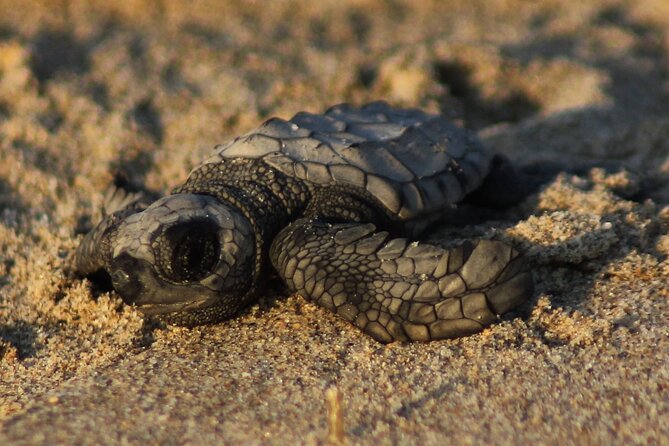
Watching the turtles move is more compelling than it sounds. The hatchlings push themselves over the sand with surprising force, heading toward the sea. The moment can feel tender, but it is also a reminder that nature is not tidy or guaranteed. The tour lets you witness the beginning of a difficult journey, not a promise that every turtle will survive.
The timing can feel brief. One group wished for more time at the release site, while others found the whole experience well paced. The turtles must be released at the proper time, and the group needs to return before the evening gets too late. If you want a slow beach walk and long personal photo session, this may feel rushed.
Follow the instructions about lights, movement, and handling. The purpose is to give the turtles a clean start, not to hold them for photographs. The best memory usually comes from watching the whole group move toward the water.
What makes the conservation work worthwhile
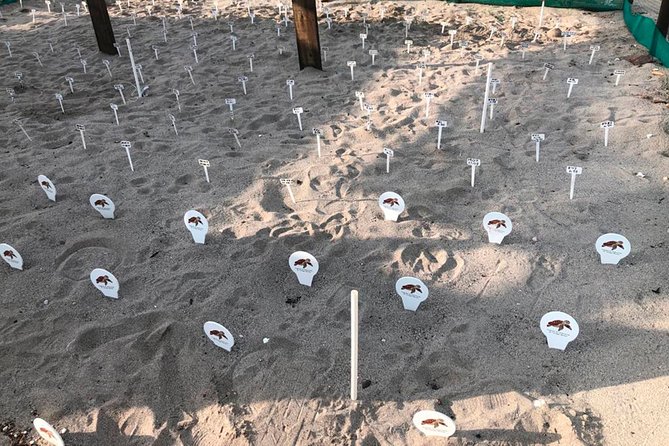
The tour is valuable because it links tourism with a specific local task. Your money and participation help support the people who monitor nests and care for hatchlings. That does not make the release a substitute for broader environmental action, but it gives you a direct way to support a project while learning about it.
The bilingual format also helps. You can ask questions in English, and the guides explain the work in a way that connects biology with daily choices. The best parts of the opening talk are not just facts about turtle life cycles. They are the explanations of how beaches, mangroves, predators, and human activity affect survival.
I especially like the balance between information and action. A lecture alone can feel distant. A quick animal encounter can feel shallow. Here, the talk gives the release meaning, and the release gives the talk a clear purpose.
The experience can also open useful conversations within a family. Children see that conservation is not only something scientists do in a distant laboratory. It can involve checking nests, caring for hatchlings, choosing a safe release time, and keeping people away from vulnerable animals.
The practical value of a two-hour outing
The activity runs for about two hours, with a 4:50 p.m. check-in and an expected return to the Marina Vallarta office around 7:15 p.m. That makes it easy to fit into a longer Puerto Vallarta day.
The included air-conditioned transfer, bottled water, and snacks add real value, even though they are modest additions. You do not need to arrange transport to a remote beach, and you have something to eat during the transition from the talk to the release.
The group size, bilingual guide, and conservation setting are more important than luxury touches. If you are comparing this with a standard sunset excursion, the attraction here is not a larger vehicle or an elaborate meal. It is the chance to support a local project and take part in a carefully timed wildlife release.
No price is provided here, so I cannot judge the exact cost. I can say what you are paying for: transportation, staff time, a biologist-led lesson, access to the camp, and participation in a conservation program. For someone who wants a meaningful activity rather than another scenic ride, that can be good value.
Who should book this experience
This is a strong choice for families, couples, solo visitors, and nature lovers who can walk comfortably on a beach. Children around school age can get a lot from the talk and release, while older children and teenagers may appreciate the unusual hands-on element more than a standard sightseeing stop.
It also suits anyone who wants a sunset activity with a purpose. You receive a scenic beach setting, but the evening is not mainly about taking photographs. The turtles and the conservation work remain central.
Think carefully before booking if you have trouble walking on sand, loose gravel, or uneven ground. The activity is not recommended for people with serious walking limitations or those in advanced pregnancy because of the amount of walking.
The route may also be difficult for some older adults. The return after sunset can be harder than the walk out, especially on sand and around rocks. If you are unsure, contact the operator before booking rather than relying on the short distance stated in the schedule.
Bring mosquito repellent, comfortable closed-toe shoes, and only the personal items you can carry easily. The tour provides snacks and water, but not insect protection.
Weather, turtle numbers, and cancellation rules
This is a nature activity, so the plan depends on conditions outside the operator’s control. If there are no baby turtles on a particular day, the sales staff will contact you to arrange another date.
Poor weather can also cancel the experience. In that case, you are offered a different date or a full refund. If the minimum number of participants is not reached, you receive the same choice of another date or a full refund.
For a normal cancellation, you can receive a full refund if you cancel at least 24 hours before the local start time. Cancellations or changes made less than 24 hours ahead are not refunded or accepted.
The flexible weather policy is useful, but you should keep some room in your schedule if the release is a major priority. A backup evening gives you more protection against rain or a day with no hatchlings.
Should you book the Sea Turtle Release?
Book it if you want a short, purposeful Puerto Vallarta outing that combines science, a beach walk, and a genuine conservation task. The sunset release is memorable, the guides bring warmth and useful explanations, and the chance to support nest protection gives the evening more meaning than a simple photo stop.
Skip it if you need level, paved paths, a fully accessible route, or a relaxed activity with no walking. Also skip it if you expect to hold animals for a long time or receive a guaranteed wildlife encounter.
For families, couples, and nature-focused visitors who can manage the beach walk, I would put this near the top of a Puerto Vallarta activity list. Just bring repellent, wear sensible shoes, prepare for darkness on the return, and remember that the best part is not owning a turtle for a moment. It is helping one begin its wild life.
FAQ
Where does the sea turtle release tour begin?
It begins at Ecotours Vallarta and Dive ShopProa, located at 20, Marina Vallarta, 48335 Puerto Vallarta, Jalisco, Mexico.
What time should I arrive?
Check-in is scheduled for 4:50 p.m. The guide introduction begins at 5 p.m.
How long does the experience last?
The activity lasts about two hours. The expected return to the Ecotours Vallarta office is around 7:15 p.m.
Is transportation included?
Yes. An air-conditioned vehicle takes you from the Marina Vallarta office to the beach area and back.
What food and drinks are included?
Bottled water and snacks are included. The snacks may include a granola bar, juice, and sodas.
Is mosquito repellent provided?
No. You should bring mosquito repellent because it is considered essential for comfort and protection.
How much walking is involved?
You must be able to walk about one mile in total on sand and loose gravel. The beach walk may take roughly 10 to 20 minutes each way, and some of the return walk may happen after sunset.
Can children take part?
Yes. Most people can participate, and the activity is suitable for families. Parents assist children under seven with carrying a coconut to the sand, where the hatchlings are released.
What happens if there are no turtles or the weather is poor?
If there are no baby turtles, the operator may contact you to reschedule. If poor weather or an insufficient minimum group causes cancellation, you are offered another date or a full refund.
New in Puerto Vallarta
- Puerto Vallarta: All you can drink Bar Crawl★ 4.8 · 4 reviews
- Whale Watching Guaranteed Experience in Puerto Vallarta★ 5.0 · 7 reviews
- Yelapa: Catamaran Cruise with Lunch and Open Bar★ 4.5 · 4 reviews
- Outdoor Zipline Adventure★ 4.8 · 6 reviews
- Puerto Vallarta: Versalles at Night Gastro Tour & Cocktails★ 4.7 · 4 reviews
- Surf Lesson for Beginners in Sayulita & Punta de Mita★ 5.0 · 3 reviews
- Whale Watching★ 4.0 · 10 reviews
- Sunset Hike to a secluded Beach + Mexican snack★ 5.0 · 8 reviews